
Basic Service
$89 starting · per visit
- Diagnostic visit
- Written estimate
- Prompt scheduling
- Written estimate
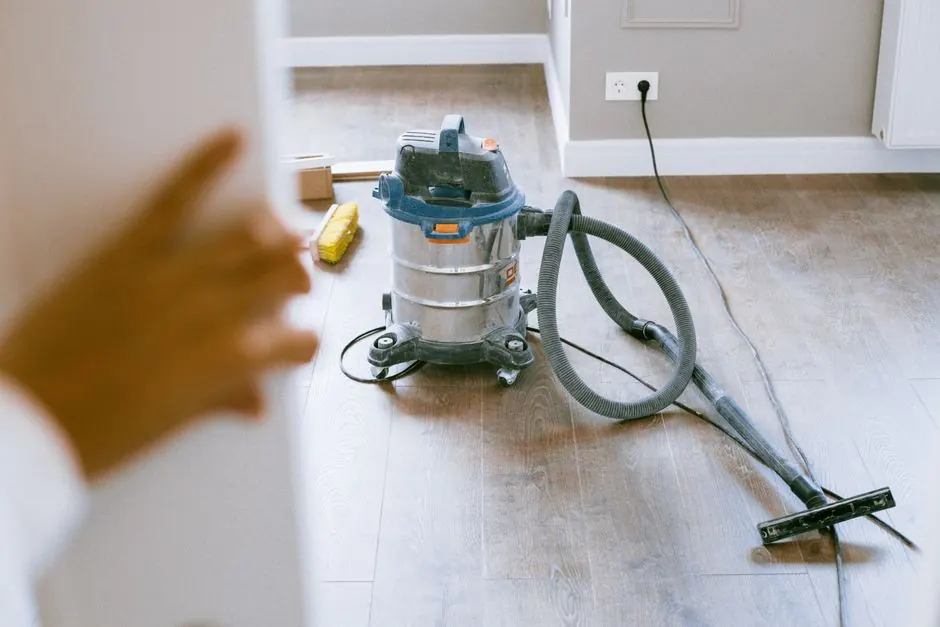
Mold Removal in St. Albans is the process of locating mold growth, removing the source of moisture, and restoring affected materials so your home or business is safe to occupy. Charleston Mold Pros works St. Albans every week, from the riverfront blocks near St. Albans City Park to the older housing stock off Jefferson and Rock Branch. This is Kanawha County, and the coal-river valley climate here is hard on buildings: high water table, humid summers, and a flooding history that leaves basements and crawlspaces wet long after the water recedes. We see the same pattern in 25177 over and over. A sump fails or a downspout dumps against the foundation, insulation soaks it up, and mold growth starts behind the drywall within 48 hours. Our technicians carry a moisture meter, thermal camera, and Mold test kit on every call. We treat St. Albans Mold Removal as a moisture problem first and a cleaning problem second, because that is the only way the fix holds.
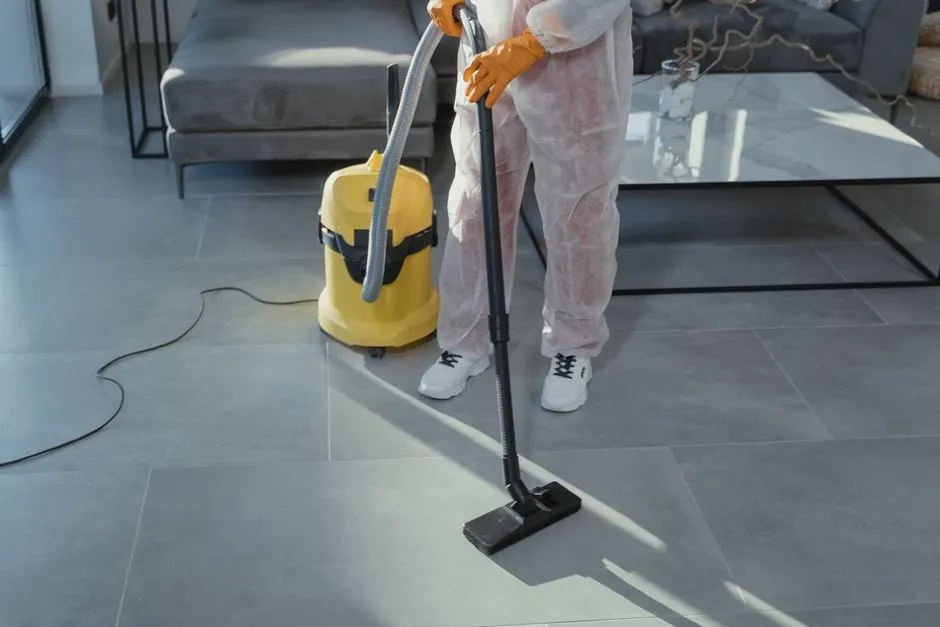
St. Albans Mold Removal demand splits into two buckets: residential basements and commercial HVAC systems. Riverfront homes in 25177 call us for basement mold remediation in St. Albans after flood events, while businesses near the Alban Arts Center corridor need duct cleaning and dehumidification. We run both. Every job starts with a prompt mold inspection St. Albans WV homeowners can schedule around work, and every job ends with clearance testing.
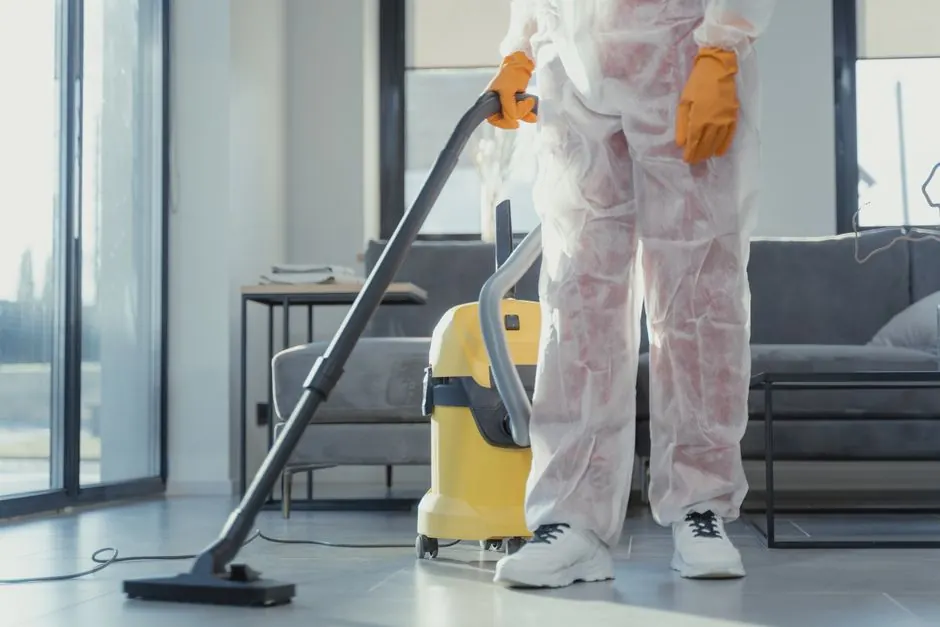

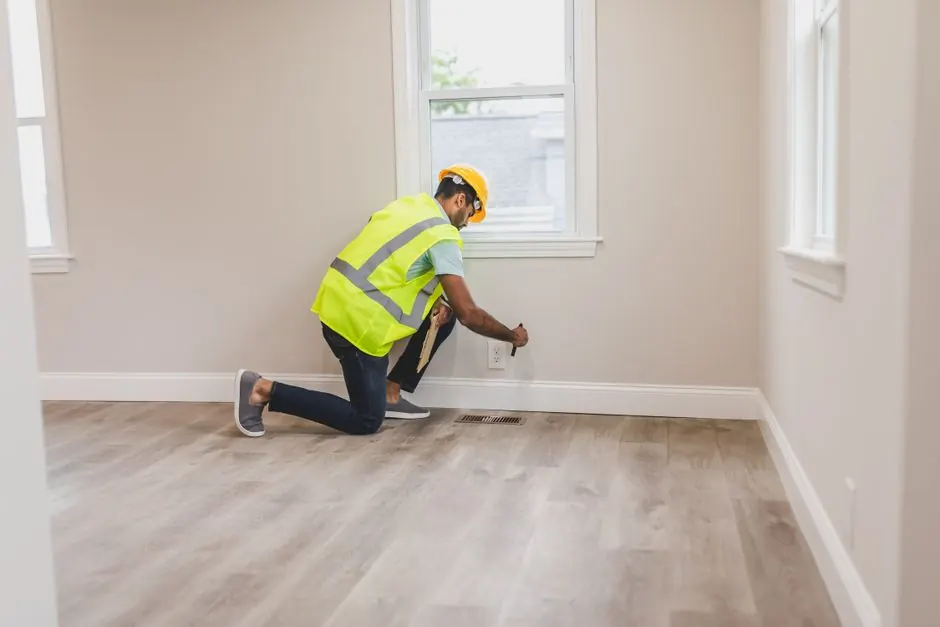
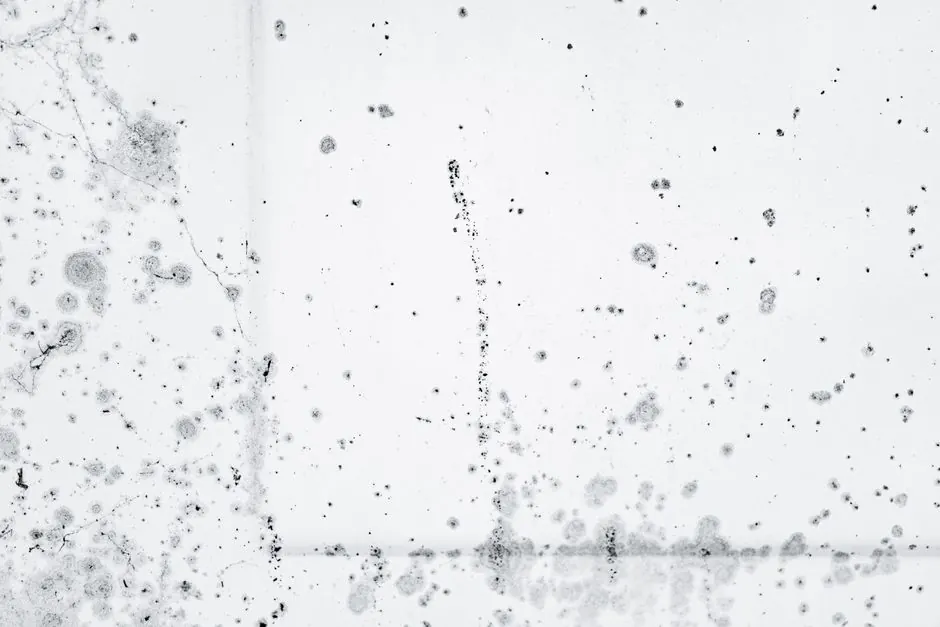

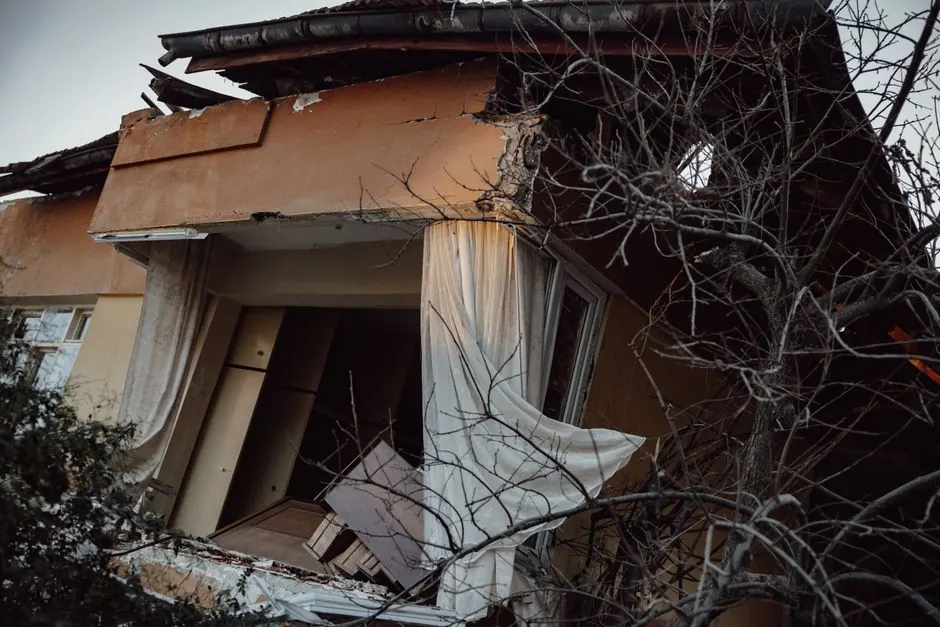





St. Albans has a specific set of conditions that drive mold problems: river flooding, a high water table, older housing stock, and humid summers. These are not generic issues. They show up in specific ways in 25177, and we plan every job around them.
The Kanawha River and local creeks rise fast during spring storms. Homes in low-lying areas take on water through foundations and sump failures. Once the water sits, mold growth starts within 48 hours.
Even without flooding, the water table in St. Albans stays high. Crawlspaces without vapor barriers pull moisture from the soil, and the wood stays wet. Mold grows on joists and subfloor.
Older St. Albans homes often have bath fans venting into the attic instead of outside. In summer, attic temperatures above 130 degrees cook the moisture into the sheathing, and mold grows.
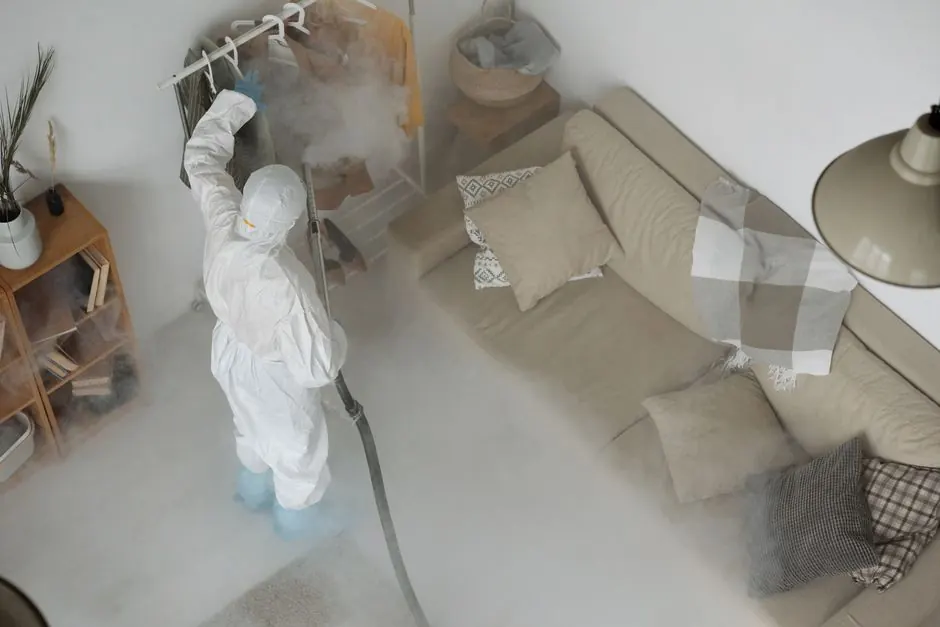
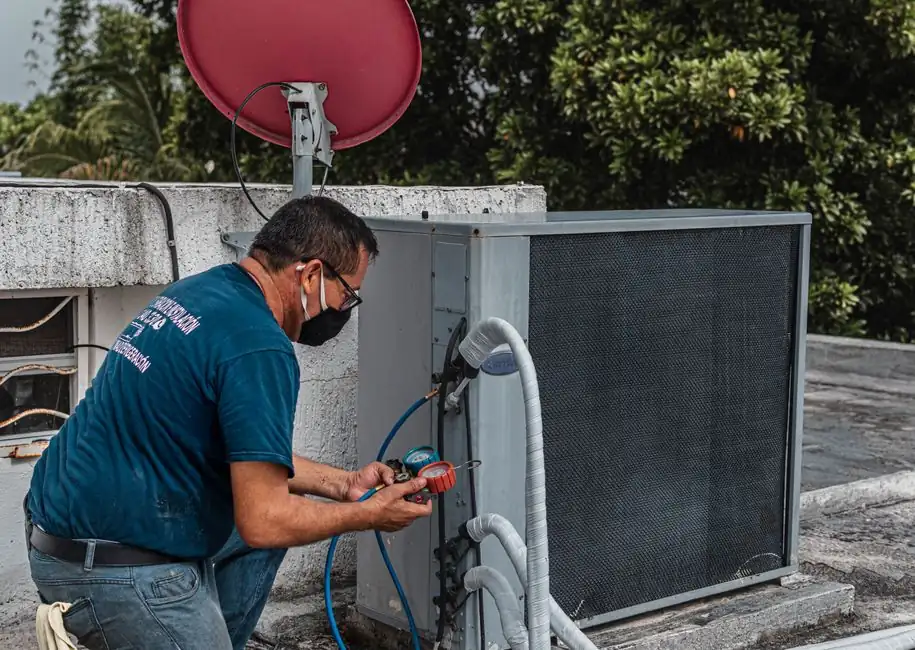
Condensate pans and coils stay wet in humid months. Dust and organic matter collect, and mold grows inside the system. Every time the air runs, it spreads spores through the building.
Mold does not always announce itself with a big black patch. In St. Albans, the signs are often subtle: a smell, a stain, an allergy that gets worse at home. If you notice any of these, get an inspection before the problem spreads. Here are the triggers we see most often in 25177.
Musty odor that will not go away
A musty smell means mold is actively growing somewhere, even if you cannot see it. It often comes from a crawlspace, behind drywall, or inside ductwork. Air fresheners mask it but do not fix it. If the smell returns within a day of cleaning, call for an inspection.
Dark staining on walls or ceilings
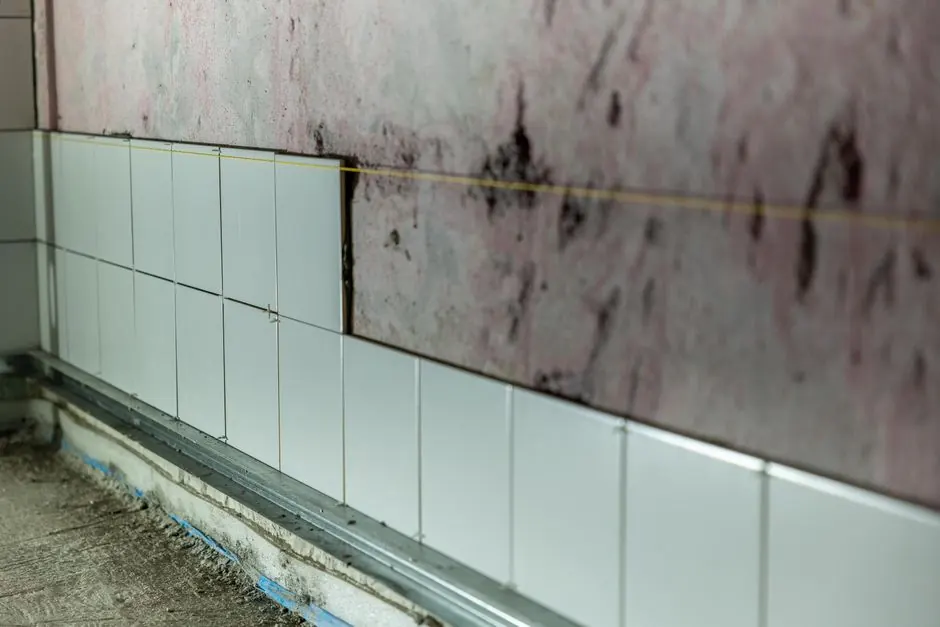
Dark spots near a leak or in a basement corner are likely mold growth. It can be black mold or another species, and you cannot tell by color alone. Do not scrub it, because that spreads spores. We test to identify the species and the source.
Basement or crawlspace stays damp
If your basement feels humid or your crawlspace has standing water, mold growth is a matter of time. In St. Albans, the high water table makes this common. A Dehumidifier and a vapor barrier often solve it, but you need to remove existing growth first.
Allergy symptoms that worsen at home
Sneezing, coughing, or itchy eyes that improve when you leave the house point to poor air quality. Mold spores in the air are a common cause. Air quality testing can confirm whether indoor counts are higher than outdoor, which means a hidden problem.
Recent water damage or flooding
Any leak, burst pipe, or flood event starts a 48-hour clock. If the area was not dried within two days, mold growth has likely started behind the walls. We handle emergency water damage cleanup St. Albans WV and check for mold as part of the same job.
Mold Removal in St. Albans pricing depends on how much area is affected and what we have to remove. Typical 2026 pricing in this area runs $1,200 to $3,500 for a basement or crawlspace job, and $500 to $1,500 for a smaller bathroom or attic. Inspection and testing alone is $250 to $450. If you need emergency water damage cleanup St. Albans WV after a flood, extraction and drying adds to the total, but we handle it as one project. We give you a written scope and a fixed price before we start. No hourly billing, no surprise add-ons.
Basic Service
$89 starting · per visit
Standard Repair
$249 average job
Premium Care
$499 annual plan
St. Albans is not hard to navigate, but knowing the landmarks helps us route trucks efficiently and give you accurate arrival windows. We orient by St. Albans City Park, the Alban Arts Center, and St. Albans High School. If you are near one of those, we know exactly where you are. That matters when you are calling about a wet basement at 6 a.m. and need someone there fast.
A central orientation point on the west side of the city. When a caller says they are near the park, we know which streets flood first and which routes stay open after heavy rain.
Located in the downtown St. Albans area, this is a useful marker for commercial and older residential jobs nearby. It helps us route trucks through the downtown grid without getting stuck on one-way streets.
A major landmark on the east side. Calls near the high school usually mean mid-century homes with finished basements, and we plan equipment staging accordingly.
Plus surrounding Kanawha County neighborhoods, with prompt routing on most appointments.
Averaging 4.9 / 5 across verified reviews.
“Our basement flooded after a hard rain, and I called three companies. Charleston Mold Pros was the only one that answered on a Sunday. They extracted the water that afternoon and had drying equipment running by evening. The mold removal came a few days later. They explained every step and showed me the moisture readings. Clearance passed, and the basement is dry.”
Dana R.
St. Albans, near the park
“We had black mold behind the drywall in our bathroom from a slow leak. They contained the area, removed the drywall, and treated the framing. I was worried about my kids breathing the dust, but they ran an air scrubber the whole time. The inspection report was detailed, and the price matched the quote. No surprises.”
Marcus T.
Jefferson
“Our crawlspace had a musty smell that we could not get rid of. They installed a vapor barrier and a dehumidifier, and the smell was gone in a week. The crew was respectful and cleaned up after themselves. The only reason I did not give five stars is that scheduling took a few days, but once they were here, the work was excellent.”
Karen L.
Rock Branch
Mold grows year-round in St. Albans, but the triggers change with the seasons. Winter is the current season as of November 2026, and we are already getting freeze-thaw calls. Here is what to expect through the year and what you can do about it.
Spring is flood season in St. Albans. Heavy rain raises the Kanawha River and the water table, and basements take on water. Mold growth follows within days if the space is not dried. We see a spike in emergency calls from March through May.
Tip: Check your sump pump before the first big rain. Clear gutters and extend downspouts at least six feet from the foundation. If your basement flooded last spring, schedule a mold inspection before this one.
Summer humidity in the Kanawha Valley stays high, and attics bake. Crawlspaces and basements that stayed marginally dry all year start growing mold. HVAC systems run constantly, and condensate issues show up as musty odors.
Tip: Keep indoor humidity under 50 percent with a Dehumidifier. Change HVAC filters monthly. If your attic smells musty, check for bath fans venting into the attic instead of outside.
Fall is when homeowners discover problems they missed all summer. Leaves clog gutters, and the first heavy rain sends water against the foundation. We get calls for musty odors and visible staining as people spend more time indoors.
Tip: Clean gutters after the leaves drop. Walk your basement and crawlspace with a flashlight and look for staining or a damp smell. Fall is the best time to schedule prevention work before winter.
Freeze-thaw cycles crack foundations and pipes. A burst pipe at 2 a.m. can dump hundreds of gallons into a basement before you wake up. Ice dams can force water under shingles and into attics. Mold growth starts fast in a heated home.
Tip: Insulate pipes in unheated spaces and know where your main shutoff is. If a pipe bursts, call us immediately at (304) 394-2737. The first 48 hours determine whether you get mold or just water damage.
St. Albans sits in the middle of our Kanawha Valley service area. From here we cover Charleston and the surrounding communities, so if you are just outside 25177, we can still help. Here is how the nearby cities connect to our St. Albans coverage.
Real answers from our team for the questions we hear most often before a job starts.
If you have musty odors, visible mold, or a basement that floods, call Charleston Mold Pros. We run regular routes through St. Albans and 25177, and we answer the phone fast-response for emergencies. Our technicians carry a moisture meter, thermal camera, and HEPA vacuum on every call. We fix the water source, remove the mold, and test to prove it is gone. Call (304) 394-2737 for a prompt inspection.
We're here to help with your mold issues. Reach out to us any day of the week, and we'll respond quickly to your needs.
Phone
(304) 394-2737Service Area
Charleston, WV & Kanawha County
Hours
Mon–Fri: 7AM – 7PM
Sat: 8AM – 4PM
Fast Response Available